
SOMOS LA AGENCIA TOP EN MARKETING DIGITAL DISEÑO WEB POSICIONAMIENTO SEO
TE LLEVAMOS AL TOP EN POSICIONAMIENTO DIGITAL
Posicionamiento SEO en México
AGENCIA IA - MARKETING DIGITAL - DESARROLLO WEB - SOFTWARE A MEDIDA
Lleva tu marca al TOP con estrategias de POSICIONAMIENTO

Páginas web
Somos la empresa más top en diseño web. Olvídate de lo ordinario; diseñamos experiencias de usuario de alto impacto. Si buscas dominar tu industria te llevamos a la cima.
- Diseño creativo y en tendencia.
- Lo último en tecnología
- Optimizada para posicionarse

POSICIONAMIENTO SEO
Te convertimos en la autoridad indiscutible de tu sector. Aplicamos estrategias de máximo nivel para que tu marca domine el TOP de Google.
- La estrategia más rentable
- Supera a tu competencia
- Quédate con todas las ventas

IA MARKETING
Lidera el futuro con el servicio más top en IA Marketing. Si buscas eficiencia inigualable, decisiones basadas en datos masivos, esta es la única estrategia que necesitas.
- Optimiza Presupuesto
- Expande todos los límites
- Mejora tu competitividad
BRANDING Y REDES
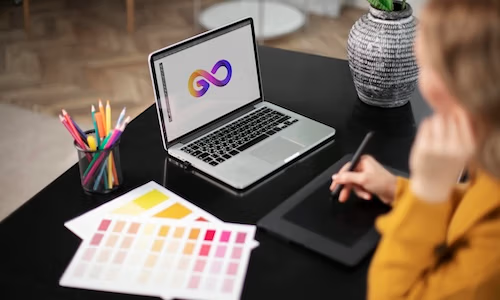
Transformamos tu presencia digital en un ecosistema coherente y magnético. Logra el engagement que te mantendrán siempre en el top de la conversación digital.
- Mejora la percepción de valor
- Creas fans, no compradores
- Destaca en mercados saturados

SOFTWARE
Transforma tu operación, automatizar procesos complejos y obtener una ventaja competitiva con tecnología de última generación
- Escala con automatización
- Desiciones basadas en datos
- Eficiencia y ahorro real
Sabemos cómo llevarte al TOP
Con más de 10 años de experiencia y más de 250 clientes satisfechos, somos una agencia SEO en México que combina estrategia, creatividad y datos para generar resultados reales. Impulsamos tu crecimiento con optimización SEO, campañas digitales, branding, producción de video, gestión de redes sociales y desarrollo web orientado a conversiones.






Equipo
de Tops
$ 220,240,368
Incremento
en Ventas
Excelencia en Atención
Agencia Global
Servicio LOCAL
Soluciones integrales que combinan estrategia, creatividad y tecnología para llevar a tu empresa al TOP de su industria.

Estrategias Comprobadas
No trabajamos con teorías ni suposiciones. Cada estrategia que implementamos ha sido probada, optimizada y perfeccionada en campañas reales para negocios de diferentes industrias.
- Priorizamos resultados
- Estrategias personalizadas
Lider en tu ciudad
Te ayudamos a convertirte en la opción número uno de tu zona con estrategias digitales diseñadas para destacar localmente.
- SEO Local
- Campañas hipersegmentadas
Especialistas en Nichos
Creamos estrategias hechas a medida para posicionarte como la mejor opción en tu nicho, atrayendo clientes altamente calificados y destacando donde otros no pueden competir.
- Vuélvete el referente de tu nicho
- Clientes más calificados

Trabajamos a la velocidad que tu negocio necesita
Procesos ágiles, entregas puntuales y optimización continua para que tus campañas avancen sin frenos. Nada de esperas eternas: resultados rápidos, eficientes y listos para impulsar tu crecimiento.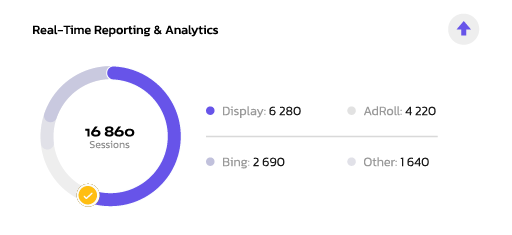
Orientados al Crecimiento Real
Cada campaña, cada anuncio y cada acción está diseñada para generar clientes, ventas y visibilidad tangible. No vendemos likes, entregamos resultados: más tráfico, más conversiones.
Monitoreamos cada movimiento
Analizamos métricas en tiempo real y ajustamos la estrategia para mantener tus resultados siempre en crecimiento.
Por qué trabajar con Agencia TOP
Porque hacemos que tu marca crezca de verdad. En Agencia Top combinamos creatividad, estrategia y tecnología para darte resultados medibles, no promesas. Diseñamos campañas que atraen clientes, posicionan tu negocio y hacen que tu marca destaque en un mercado cada vez más competitivo. Trabajas con un equipo experto, atento y enfocado en una sola misión: llevar tu empresa al siguiente nivel.
Tecnologías





La prueba está en los números

1000+ Reviews de Clientes
CREATIVIDAD TOP


123K+ Client



Analizamos el rendimiento de tus campañas, el comportamiento de tus usuarios
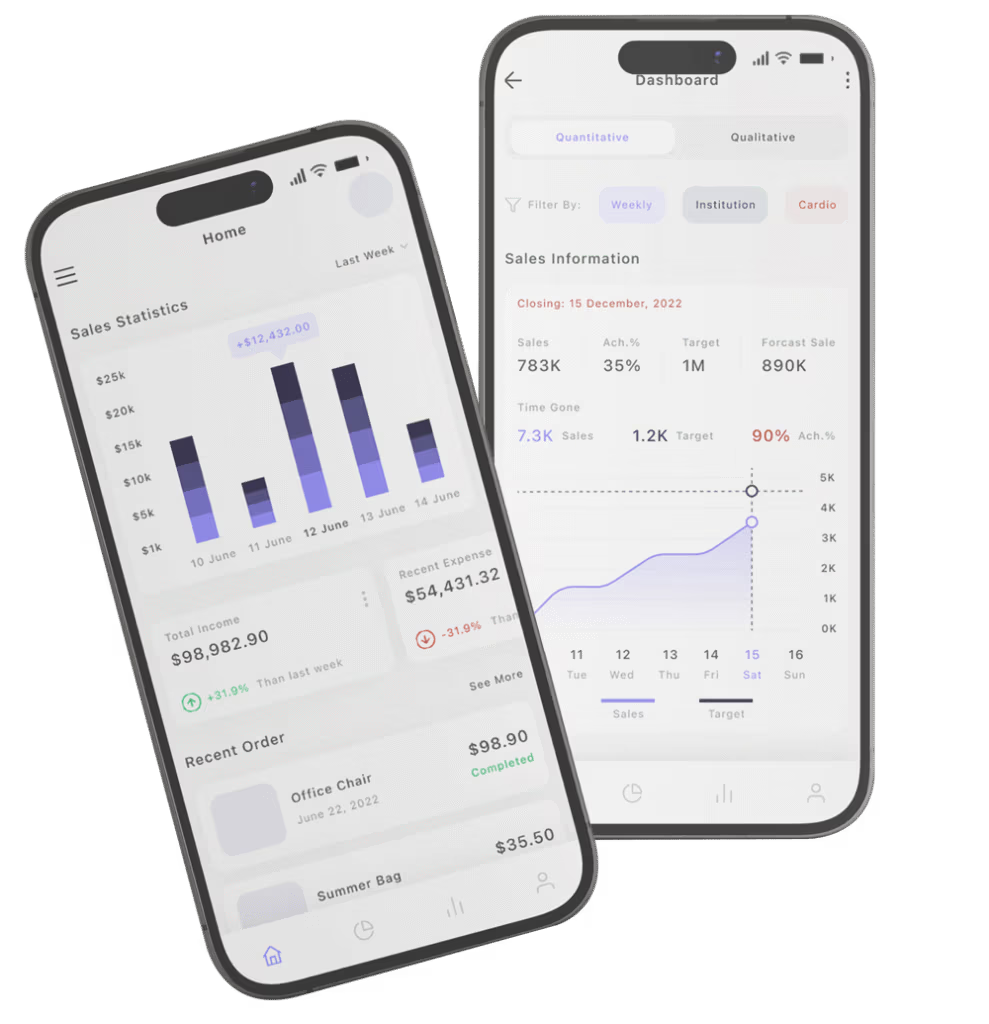
Marketing Analytics
Con un enfoque totalmente data-driven, optimizamos tu inversión, mejoramos tu alcance y te entregamos reportes claros que muestran resultados reales. Más claridad, más estrategia y más resultados para tu negocio.

(4,5/5)
Gestión y Administración de Reputaoción

- Nuestro Equipo
Equipo de Tops en sus áreas.
Impulsamos a las empresas con estrategias digitales innovadoras y soluciones hechas a la medida.

Buscamos proyectos retadores

Lleva tu negocio al siguiente nivel con nosotros.
Business Increased!


Rodrigo Medellin

Andrea Coxca

Ricardo Ramírez

César Abrajan
Social Media Marketing
Creamos contenido relevante y visualmente impactante, gestionamos tus redes sociales de forma profesional.
Optimización SEO
Te llevamos al TOP de resultados con estrategias inteligentes, optimización técnica para hacer crecer tu negocio.

Pago por Click
Maximiza tu inversión con anuncios estratégicos que generan tráfico inmediato y resultados medibles.
IA Marketing
Campañas inteligentes y análisis avanzado para crear campañas precisas y de alto rendimiento.

Automatizaicón
Optimiza tus procesos con flujos inteligentes que mejoran la eficiencia y mantienen a tus clientes conectados.
Software a Medida
MejoraA la eficiencia y potencia tu crecimiento, llevando tu negocio a un nivel verdaderamente Top.

- Precios
Precios
- Campaña para Redes Sociales Desde $5,200
Campañas profesionales para redes sociales que conectan con tu audiencia, aumentan tu alcance y generan resultados medibles en ventas
- Diseño de Redes Sociales Desde $2,400
Diseño de foto de perfil, portada y línea gráfica para publicaciones y anuncios.
- Community Management Desde $4,200
Contenido profesional y atención a la comunidad para fortalecer tu marca, aumentar tu engagement y mantener una presencia activa
- Paquetes y Planes
Planes flexibles que se adaptan a tu presupuesto.
Elige un paquete que se adapte a tus necesidades.
¿Plan personalizado?

PLAN PRO
- Creación de Página Web Profesional
- Optimización SEO Global
- Mantenimiento Web
- Mantenimiento de Posicionamiento SEO
Desde $2,300

PLAN PRO + REDES + MARKETING + AUTOMATIZACIÓN
- Todo lo que incluye PLAN TOP
- Administración de Redes Sociales
- Administración de Campañas
- Automatización de Ventas
Desde $5,900

PLAN TOP
- Plan PRO + REDES + MARKETING + AUTOMATIZACIÓN
- Director de Marketing Externo (As a Service)
- Diagnóstico y auditoría
- Planeación estratégica
- Gestión del equipo
- Reportes y optimización
- Acompañamiento en decisiones de negocio
Desde $45,000
- Portfolio
Nuestras Historias de Éxito
Explora nuestro portafolio
Página web + Branding
Diseño Corporativo de Plataforma Inmobiliaria
Naming, Branding, Diseño Web y Automatización de procesos de ventas.

Innovation
We prioritize eco-friendly offices and ethical supply chains.
Rediseño de Página Web y Posicionamiento SEO
Rediseño de página web y posicionamiento SEO local en diferentes ciudades de México
Página web y motor de reserva
Diseño de página web e integración con motor de reserva en línea

Integración
Compatible con la mayoría de las plataformas externas.
Empresas que Confían en Nosotros







- Testimonios
Comparte la experiencia
De llegar al TOP

"Agencia Top transformó por completo nuestra presencia digital. La nueva página web es rápida, moderna y ya estamos posicionando en Google mucho mejor que antes"
Mariana López
Directora de Marketing en Grupo Nova

"Su equipo entendió exactamente lo que necesitábamos. En menos de dos meses comenzamos a recibir clientes orgánicos gracias al SEO integrado en nuestro sitio web."
Carlos Herrera
CEO de Herrera Consultores

"El equipo de Agencia Top superó nuestras expectativas. La página quedó increíble y el posicionamiento SEO empezó a darnos resultados desde las primeras semanas."
Sofía Ramírez
Director de Operaciones en Nexa Global

"Profesionales, rápidos y muy estratégicos. Nuestro sitio ahora refleja la calidad de nuestra marca y está optimizado para escalar en búsquedas."
Ana Paulina Gómez
Gerente Comercial en AMX Solutions

"La experiencia con Agencia Top fue excelente. Desarrollaron una página web funcional, estética y optimizada que nos ha abierto nuevas oportunidades de negocio."
Jorge Medina
Fundador de Inversiones MEDSO

"Su enfoque SEO desde el diseño marcó la diferencia. Hoy nuestra web recibe tráfico constante y calificamos en palabras clave importantes para nuestro sector."
Laura Estrada
Coordinadora Digital en Prime Logistics
Recibe Promociones Especiales
Suscríbete y entérate de todas nuestras promociones